
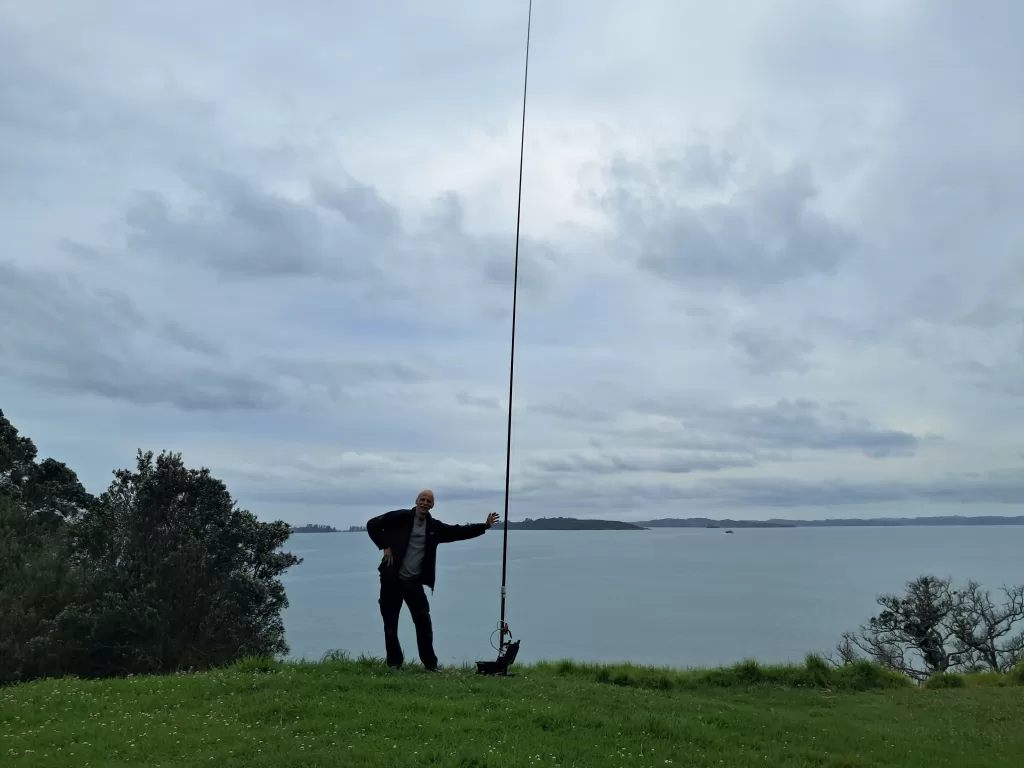
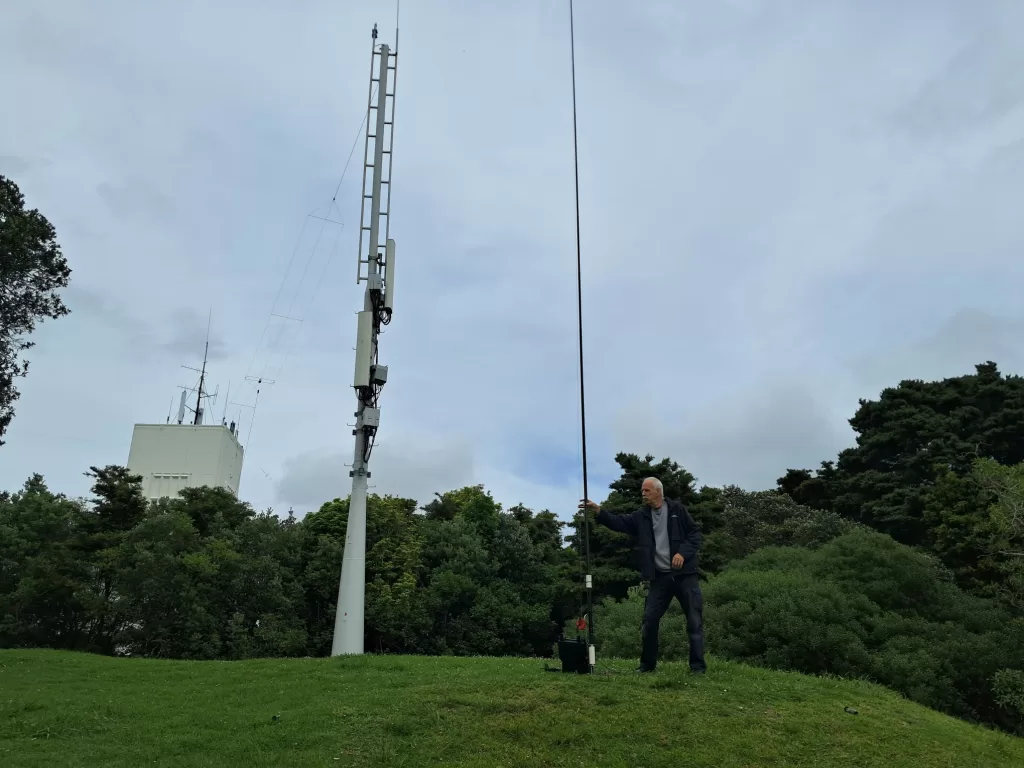
A calm morning at the Point and Harry, ZL1BK, set up for portable operation. With a 10m collapsible carbon fibre pole weighing in at around 0.5kg and an IC-705, portable is certainly an apt description. A pole support in the form of a wire stake, similar to a real-estate sign support, light wire antenna, Harry’s magic “tune-all” tuner and battery round out the kit.
The performance is astounding. The tuner, being practically at the antenna feed point, easily creates a useable match with very effective performance, on most desired bands without fiddling with antenna lengths.
Still, there was coffee to drink and other things to do, so back to the clubrooms we went.
On replacing the 5775 repeater batteries recently, one of the replacements was noted to be not keeping pace. We upped the charge voltage (AGM batteries replaced the liquid electrolyte ones; AGM like a slightly higher charge voltage) and today, Harry brought in a real load type battery tester. The idea was to give the batteries a workout and give us an idea of run time for the repeater, in case of mains outage.
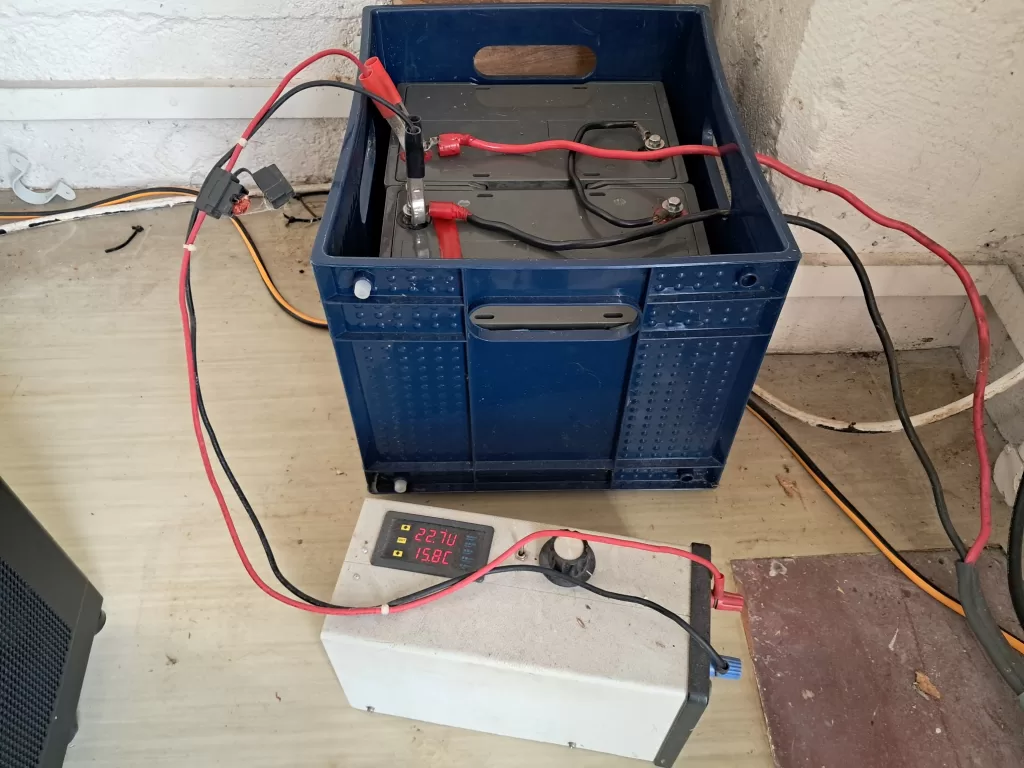
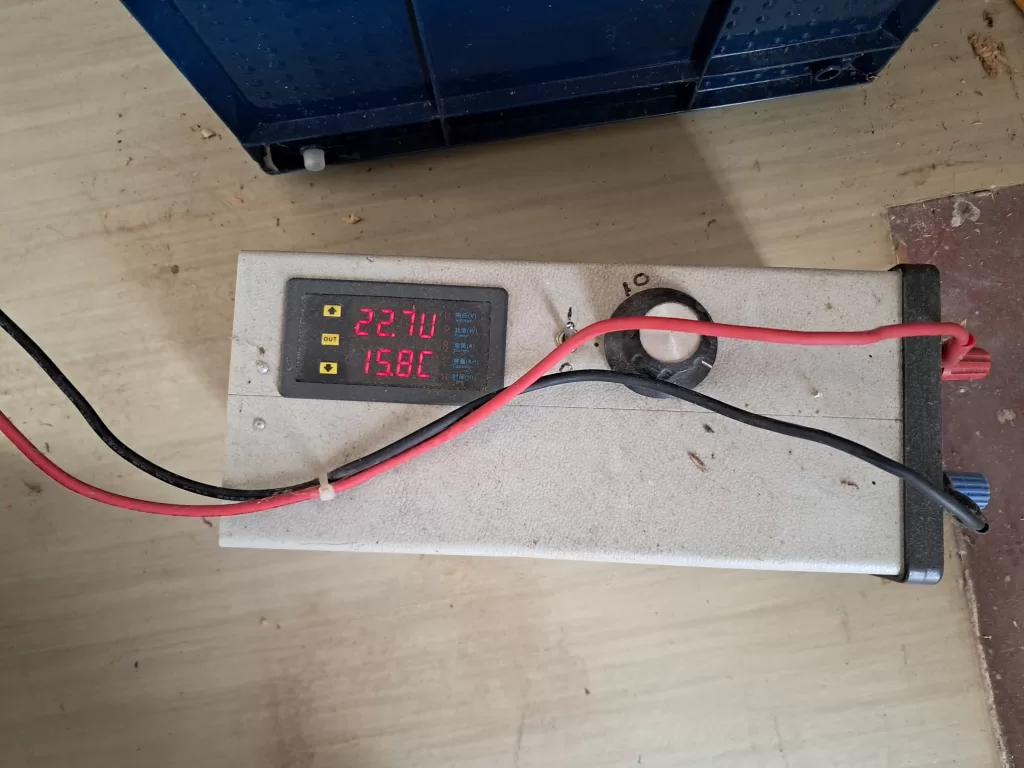
We terminated the test after a runtime of 3 hours at 8~10A draw on a nominal 24V; while there was still some operating capacity left. The repeater draws around 8.5A at 13.8v on TX, so battery capacity is in the region of 6 hours at a theoretical worst case: 100% TX.
Martyn, ZL3CK, ran the ever expanding 40m AM net. The move from 80 to 40 has improved chances of a net in the middle of the day. On 40, we run the converted T-98 Non-Directional Beacon (NDB) Transmitter. It reliably emits around 80w carrier and has quite good modulation. Of course, the 40m dipole, being close to the KiwiSDR antenna, looses some of the output power to the Kiwi protection circuitry!
Dave, ZL1DL tried to see how far USB could be extended in the interests of connecting a Nano-VNA directly at the raised feedpoint of an antenna, while managing the Nano from a PC. Not an entirely successful exercise; 5m was all that would work with the laptop tested. Another laptop would connect via an 8m cable, but errors occurred on data transfer. Dave also tried a 20m USB2 active extension cable. This was a total failure with the Nano display extinguishing! Possibly a problem with the Nano’s USB3 interface not liking the USB2 device in the active cable. The cable has been previously used successfully as part of a 25m USB2 WiFi adaptor extension. Could try an USB3 active extension cable, although the real answer is to shell out for a NanoVNA-F V3; it has bluetooth inbuilt! Unfortunately, sellers are currently asking stupid money for the V3. 😒
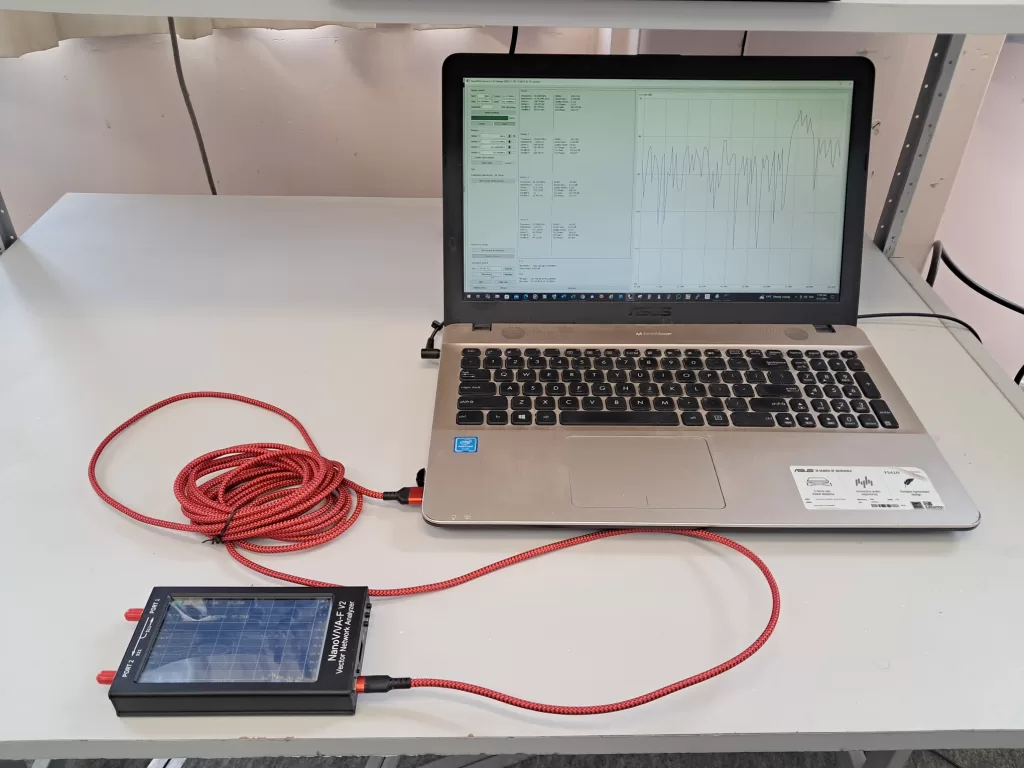
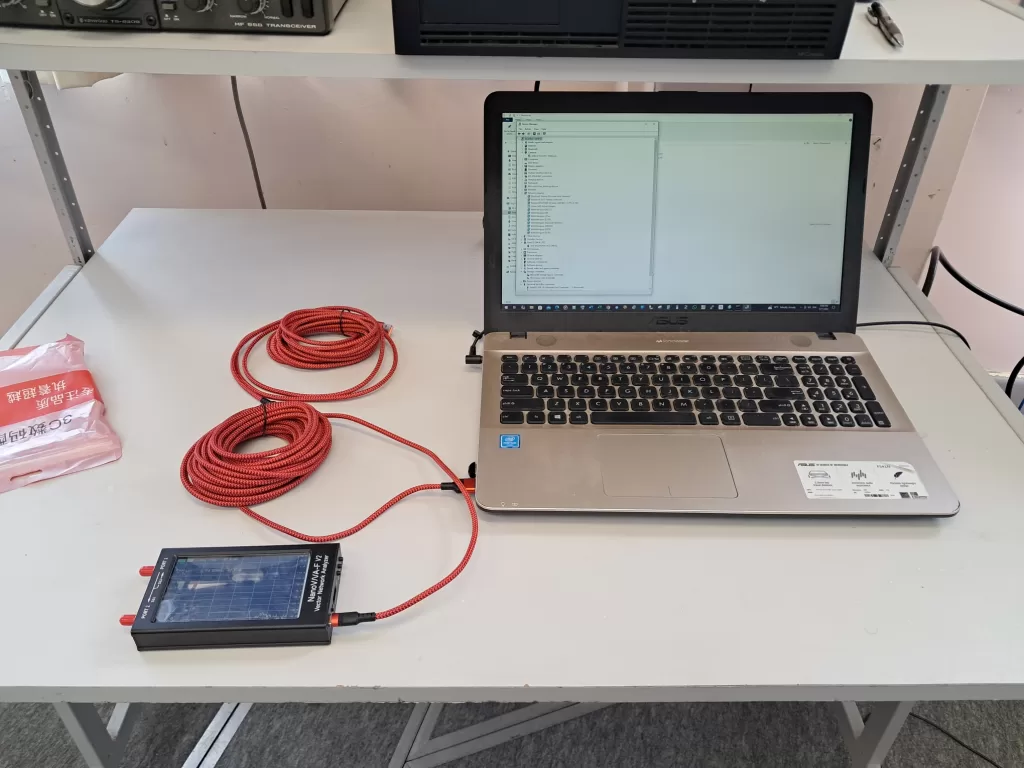
Of course, USB is only intended to work to a maximum cable length of around 4m, but specifications are only recommendations to amateurs… Nothing ventured, nothing gained. And of course, there’s always coffee…